

About

Degree Day provides observation-calibrated climate intelligence and independent technical advisory.

15+ years of expertise in physical climate science and impacts, engineering, and natural disaster policy. Past roles at NOAA, Arup, Ramboll, and WSP.

Who We Are

For over 15 years, Degree Day's team has conducted research on climate and extreme weather impacts. We partner with businesses, engineers, utilities, asset managers, and government agencies to turn climate science into decisions that hold up to scrutiny.

Our Approach

We believe that physical climate risks require expert navigation. Data alone will fail to drive meaningful action, as climate model outputs are inherently limited. We recognize that organizations face resource constraints. That's why we are committed to clearly demonstrating the financial value of proactive risk management.

Our Research Values

Independent and science-based

Degree Day is committed to the highest standards of academic integrity and rigor. We operate free from external influence, ensuring our research remains objective and trustworthy.

Data-driven and interdisciplinary

Degree Day leverages rigorous data analysis and multidisciplinary perspectives to tackle complex climate challenges. By integrating diverse viewpoints, we develop insights that serve clients across sectors.

Focused on client needs

Degree Day is dedicated to providing decision-relevant insights that help our clients navigate weather and climate risk management. Our goal is to ensure measurable, defensible outcomes.

Our Team

D.J. Rasmussen, PhD

Principal Scientist

D.J. Rasmussen is the Principal Scientist of Degree Day. He has provided expert guidance and conducted cutting-edge research on the technical, strategic, and policy aspects of physical climate risk for over 15 years. He has collaborated with Fortune 500 companies, data center operators, federal and state government agencies, utilities, and transit organizations to develop and apply leading climate risk assessment methodologies. Previously, he held roles at multinational engineering firms and was a research fellow at Princeton University and NOAA's Geophysical Fluid Dynamics Laboratory. His expertise is reflected in numerous technical reports and peer-reviewed research published in leading scientific journals, including Science and Nature Climate Change. He received his PhD in Applied Climate Science, Impacts, and Policy from Princeton University.
Our Advisors

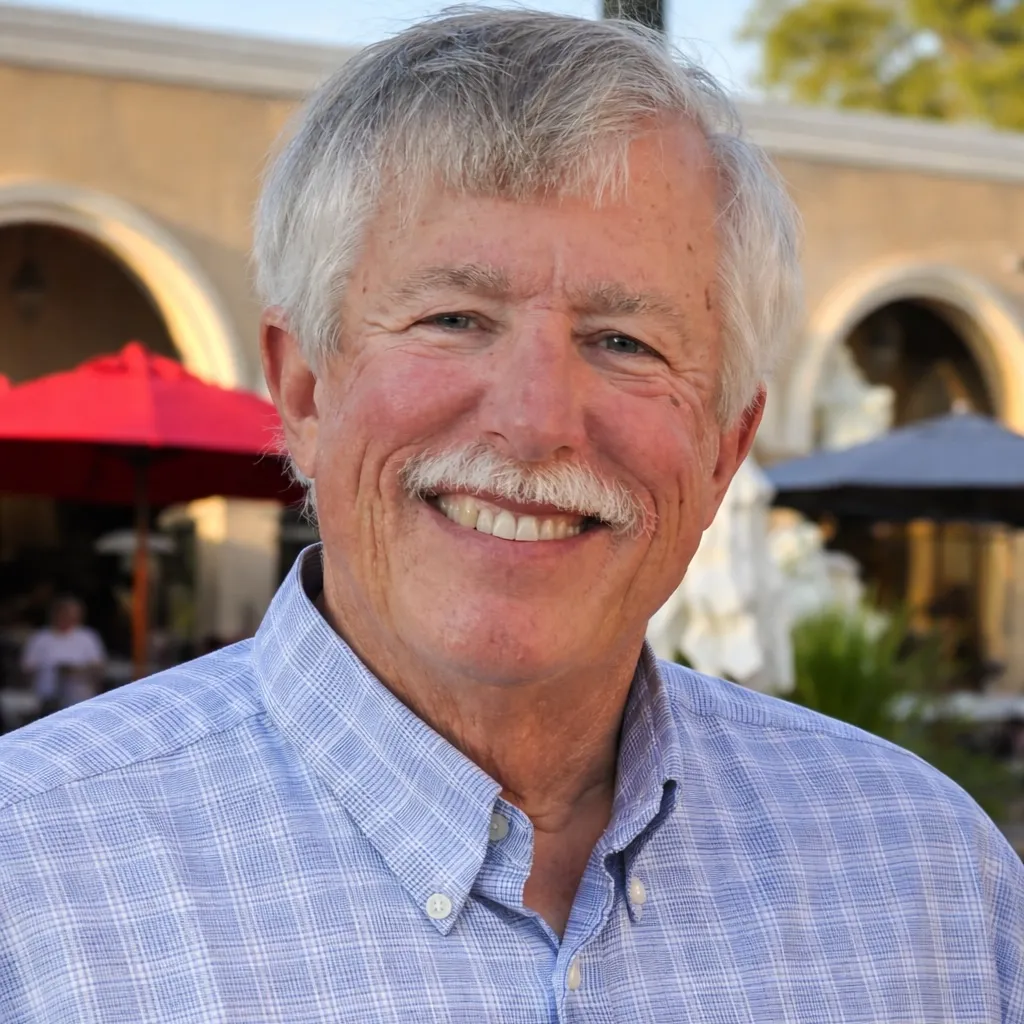
Dave Rasmussen, MBA

Strategic Advisor

Dave Rasmussen provides strategic business guidance to Degree Day, drawing on over four decades of experience building and leading successful engineering consultancies. He holds a B.S. in Mechanical Engineering from the University of Wisconsin-Milwaukee and an MBA from Kent State University. His expertise in engineering services and consulting management informs Degree Day's growth strategy.

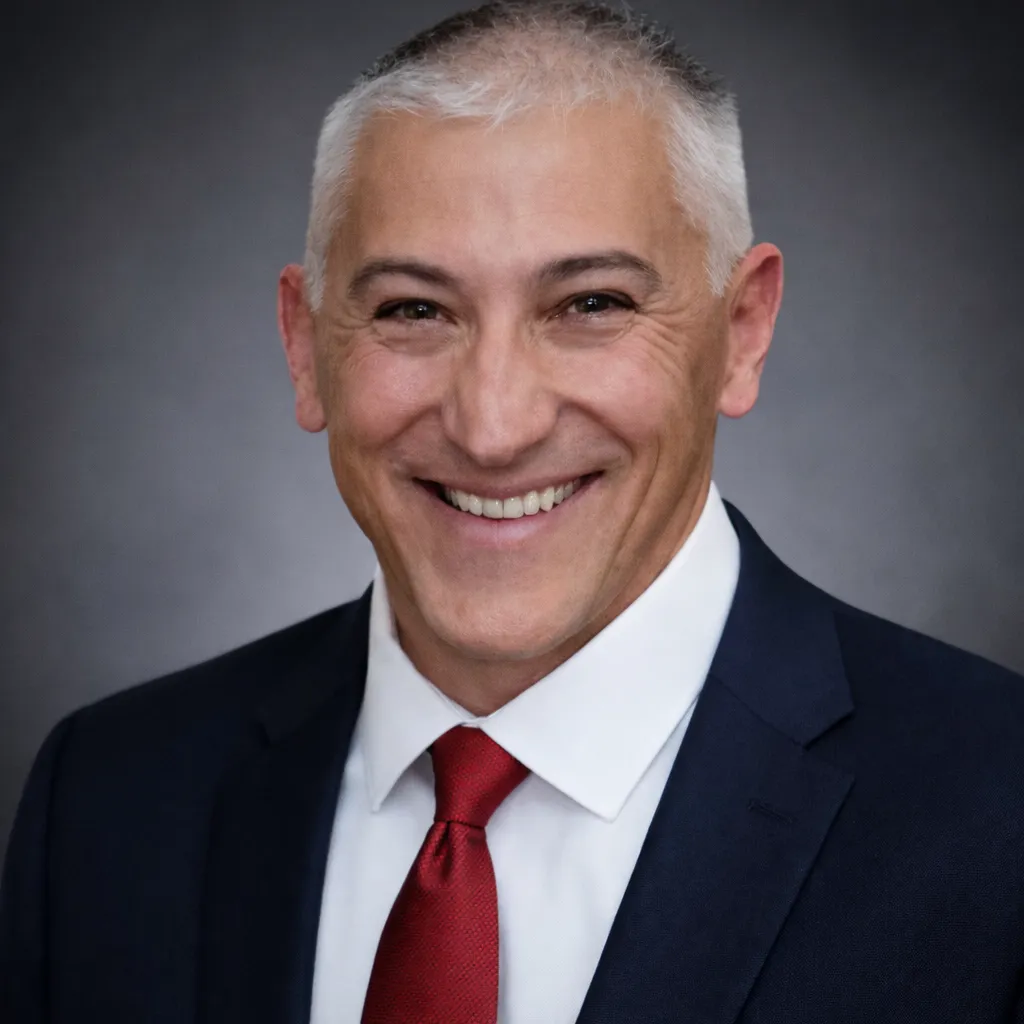
James Poplawski

Technical Advisor — IT Infrastructure

James Poplawski serves as Technical Advisor for IT Infrastructure at Degree Day, providing expertise in network architecture, cloud connectivity, and data systems. He holds a Bachelor's degree in Information Technology from Colorado State University Global and an Associate's degree in Computer Information Systems.

Frequently Asked Questions

How is Degree Day different from other climate risk companies?

Degree Day is founded and run by climate scientists who have been actively applying climate projections to real-world challenges for more than 15 years. As an independent boutique, we focus exclusively on delivering precise, customized climate intelligence tailored directly to specific needs. Because we are independent, our fees are lower than large consultancies. Our transparent, scientifically grounded approach not only provides insightful climate analytics clearly linked to measurable financial outcomes but also equips clients to defend their decisions.

What datasets do you work with?

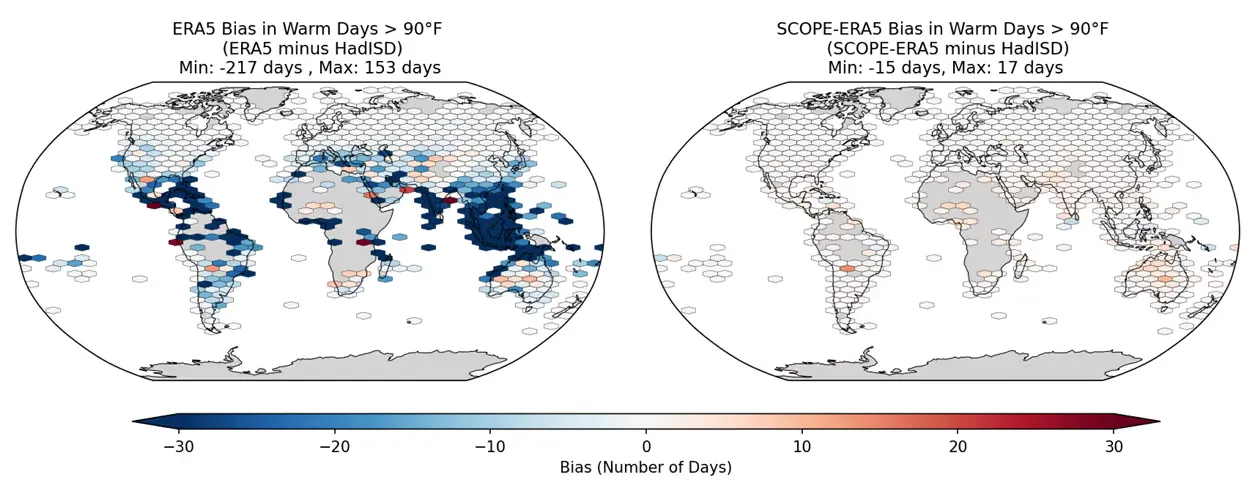
Degree Day uses a comprehensive set of datasets to inform climate risk analyses, including climate model outputs such as HighResMIP (CMIP6), ISIMIP3b (CMIP6), LOCA2 downscaled CMIP6, and CMIP6 itself. We also leverage weather datasets such as hourly weather station observations (GHCNh), dynamically downscaled reanalysis data (WRF-ERA5), and hourly time series from ERA5.

What types of flood models do you use?

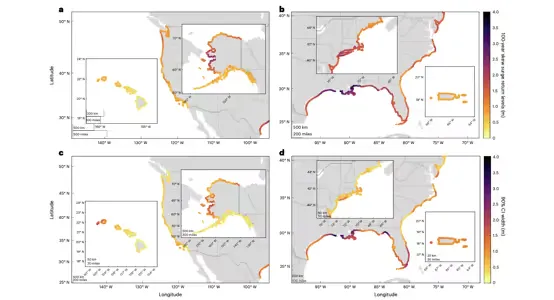
Degree Day conducts in-house coastal, riverine, and pluvial flood modeling using two-dimensional hydraulic and hydrodynamic modeling techniques. This capability lets us produce site-specific inundation depths under a range of historical and forward-looking climate scenarios. Our in-house modeling capabilities also let us evaluate how specific intervention approaches — such as infrastructure upgrades or nature-based solutions — change flood exposure.

What other sources of data does Degree Day use?

Degree Day leverages a comprehensive set of desktop resources to ensure credible climate risk analyses. Our work draws upon authoritative scientific and technical sources, independent research organizations (ATC, IBHS), vulnerability function databases, peer-reviewed academic literature, and science and engineering technical reports.

I am interested in learning more. What is the next step?

We'd be delighted to connect. Reach out directly through our contact form, on LinkedIn, or send an email to info@degreeday.org. We'll promptly follow up to arrange an introductory conversation, discuss your specific goals, and explore how Degree Day can best support you. During this initial discussion, we'll openly assess whether our services are the right fit for your situation. If we're not the ideal solution, we'll gladly recommend alternatives.