ScienceInsights
Did Our Wildfire Model See It Coming?
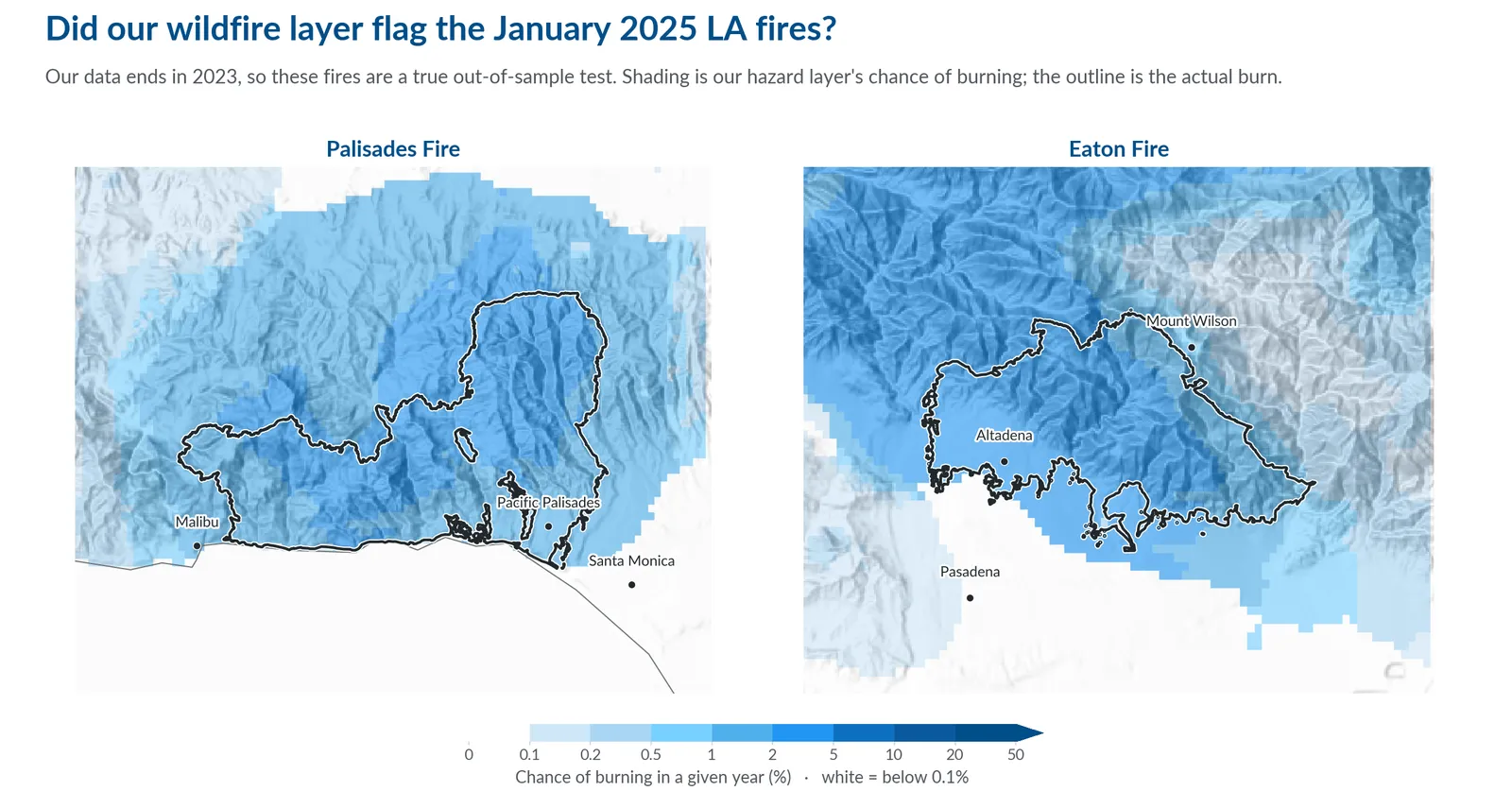
A model scored on the data it learned from will always look good. The real question is how it performs where it has never looked. This is how we tested our wildfire layer.

Climate risk insights, methodology notes, and analysis from the Degree Day team.
A model scored on the data it learned from will always look good. The real question is how it performs where it has never looked. This is how we tested our wildfire layer.

One coastal property. Thirteen vendors. One of them found no flood risk at all. If the models cannot agree, what should an organization actually do?

A bias-corrected, station-calibrated reanalysis dataset built for engineering and planning workflows that demand reliable local weather data.
Climate analytics promise detailed views of future physical risk: flood damages by property, wildfire scores by facility, loss estimates decades out. But these are analytical products built through layers of assumptions. We unpack four common myths about climate data in ESG reporting and what decision-makers should ask before relying on it.
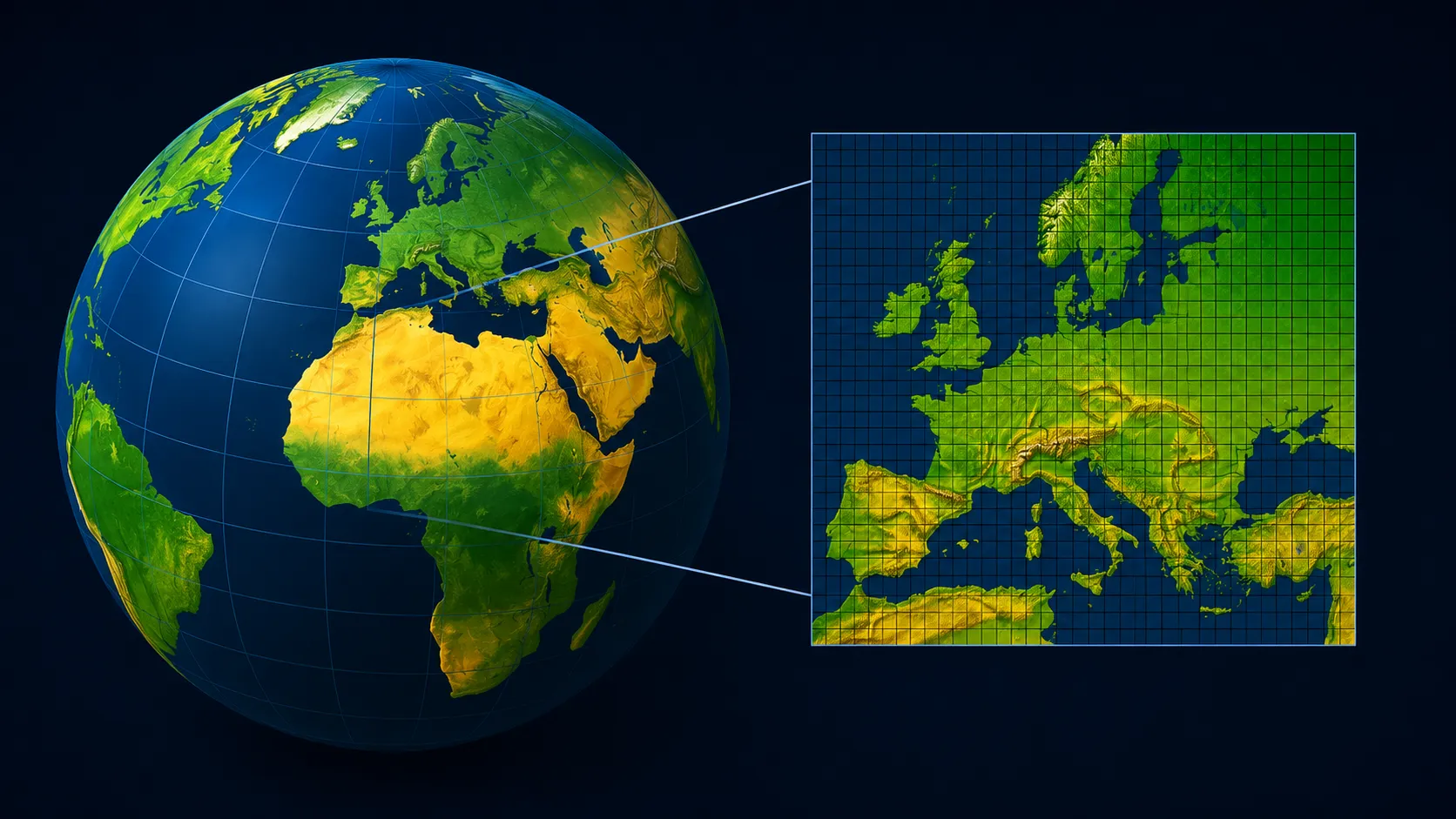
Regional climate models add physically based detail that statistical downscaling cannot, but raw output is not design-ready. We explain how the two approaches differ, and how Degree Day turns the CORDEX archive into analysis-ready climate data for infrastructure decisions.
